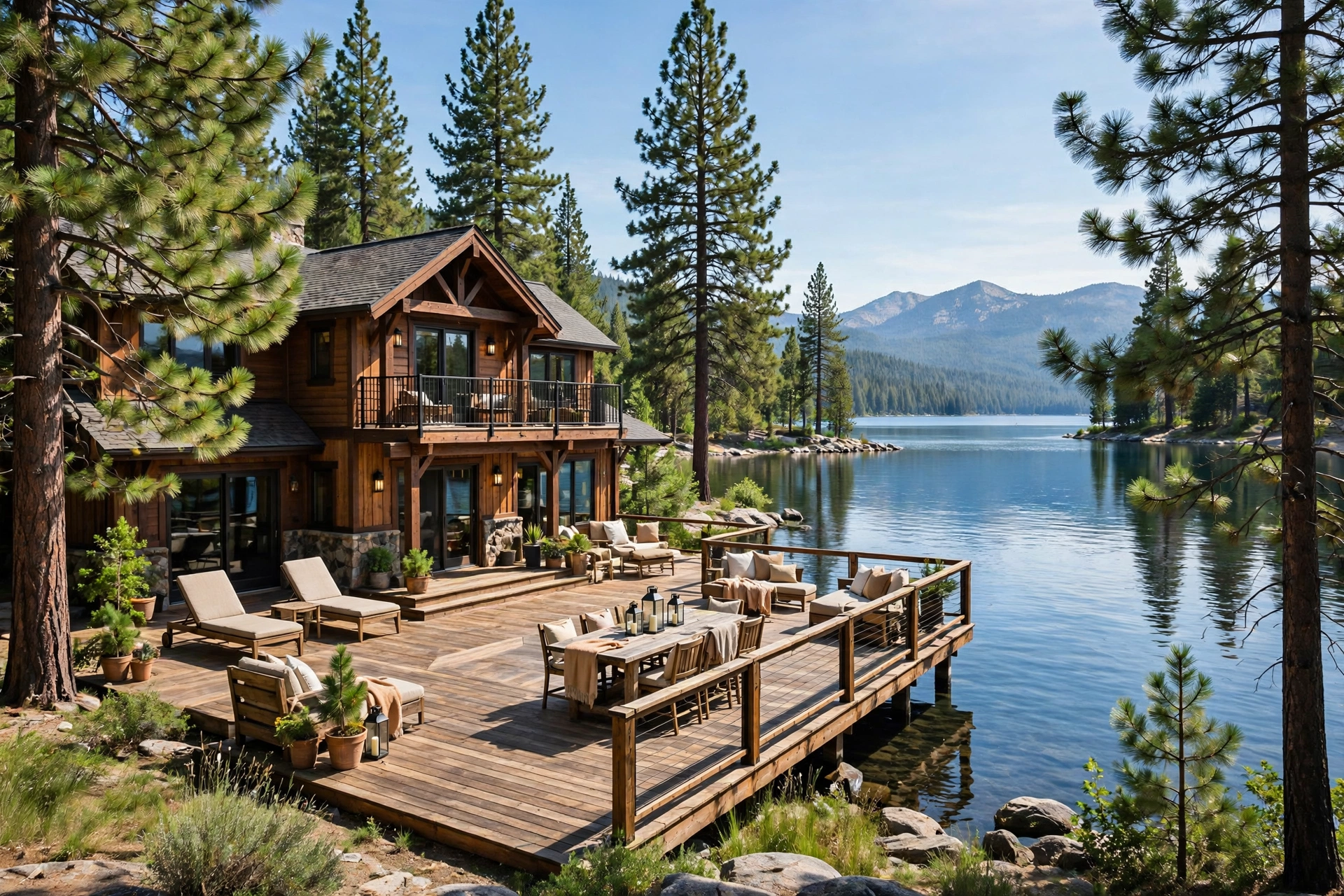
Rodent Control in Lakeside Park, South Lake Tahoe — Near the Lake
Proximity to the lake means moist soil, shoreline vegetation, and habitat that supports bigger rodent populations. Deer mice thrive in the vegetation along the water. And Lakeside Park is one of the few South Lake Tahoe neighborhoods where Norway rats are genuinely possible — burrowable soil and water access make it workable for them. Most of the basin never has to think about Norway rats. Here, we check.
Hearing scratching in this neighborhood? Our mice removal in South Lake Tahoe starts with a free same-day inspection — we identify the species, trap what is inside, and seal the entry points.
We come out, find every entry point, identify the species, trap what's inside, and seal your home so nothing gets back in. Free inspection. No pressure.
Call (530) 203-0122 · Get Your Free Inspection
Why Lakeside Park Homes Get So Many Rodents
Here's the thing about living near the lake — the water feeds the population.
Shoreline vegetation. The shrubs, grasses, and moist ground near the water hold dense deer mouse populations. They nest in the vegetation, then push into garages and crawlspaces when the first heavy snow hits in October.
Norway rat habitat. Let's be straight: Norway rats are uncommon in South Lake Tahoe. But near-lake neighborhoods with burrowable soil are the exception. They burrow along banks and push up through foundation gaps. We check for burrow holes along every Lakeside Park foundation — most inspectors in the basin don't bother. Here, it's standard.
Older homes near the water. Lakeside Park has established homes with aging foundations, original vents, and utility penetrations from decades of renovations. Moisture near the lake accelerates wear — cracked concrete, rotted vent screens, gaps that widen every freeze-thaw cycle.
Vacation homes and rentals. Near-lake properties include second homes that sit empty through winter. Five months of nobody home, snow against the foundation, mice nesting undisturbed. Spring open-up reveals the damage.
The Species You'll Actually Deal With in Lakeside Park
Deer mice — The main problem. Native Sierra species, abundant in near-lake vegetation. Nocturnal, nest in attics, wall voids, garages. Hantavirus risk in droppings — wet disinfection and masks for cleanup, never sweeping dry.
House mice — Common in garages and storage areas. Quarter-inch gaps, 60+ offspring per year per pair.
Norway rats — Possible here — genuinely. Golf-ball-sized burrow holes along the foundation and olive-sized, blunt-ended droppings are the tell. We confirm the species free during the inspection.
Roof rats — Not at 6,225 feet. Near the lake or not, it's too cold and too high. The scratching is deer mice.
How We Handle a Lakeside Park Rodent Job
1. Free full-property inspection. Whole house plus the foundation perimeter — burrow mapping, entry points, droppings, rub marks, gnaw marks. Photos of everything.
2. Species ID. Mouse or rat changes the treatment — trap size, placement, exclusion materials, cleanup protocol. We identify it free.
3. Trapping along travel paths. Professional snap traps where the signs tell us they run. Locked exterior bait stations placed with shoreline awareness. No loose poison inside. Ever.
4. Full exclusion. Steel mesh over vents, metal flashing at the roofline, sealant and steel wool around penetrations — plus hardware cloth along burrow-prone foundation areas. Sealed down to a quarter inch.
5. Cleanup and monitoring. Contaminated material removed and sanitized to hantavirus-safe standards where deer mice are involved. Scheduled return visits, free re-treatment if activity comes back.
What Rodent Control Costs in Lakeside Park
| Service | Price | What You Get |
|---|---|---|
| Inspection | Free | Full property walkthrough, species ID, burrow mapping, written report with photos |
| One-Time Rodent Removal | Starting at $199 | Trapping + 2 follow-up visits to clear the house |
| Removal + Full Exclusion | Starting at $349 | Trapping + sealing every entry point on your home |
| Monthly Protection | $49–$59/month | Scheduled visits, exterior bait stations, monitoring, free re-treatment |
| Attic Cleanup & Restoration | Custom quote | Insulation removal, sanitization, re-insulation |
Exact price after the free inspection.
Why DIY Fails in Lakeside Park
You might be treating the wrong animal
Most near-lake homeowners assume mice. But if it's actually Norway rats, mouse-sized traps and mouse-level exclusion won't cut it. Rats chew through materials that stop mice cold, and their burrows need a different approach. Get the species ID right first — ours is free.
Burrows are a system, not a hole
Fill one burrow hole and they dig out three feet away. A burrow system has multiple entrances and escape tunnels. We map the whole thing and seal the structural entries so they can't re-establish.
Moisture keeps opening new gaps
Near-lake freeze-thaw cycles widen foundation cracks and rot vent screens faster than inland. DIY seals a gap in fall; by spring there's a new one. Our exclusion uses steel mesh, metal flashing, and cement — materials that hold up to the conditions.
Signs You Have Rodents in Your Lakeside Park Home
- Scratching at night in walls, ceilings, or under floors
- Droppings in the garage, along baseboards, or behind stored items
- Burrow holes along the foundation — golf-ball sized or bigger
- Olive-sized droppings (rat indicator) vs. rice-grain droppings (mice)
- Chewed stored gear, outdoor equipment, or holiday decorations
- A musty ammonia smell in the crawlspace or attic
Lakeside Park Rodent Control FAQs
How much does rodent control cost in Lakeside Park?▾
One-time removal starts at $199 — inspection, species ID, trapping, two follow-ups. Removal plus full exclusion starts at $349. Monthly protection is $49 to $59 a month. Cleanup is a custom quote. Real number after the free inspection.
Are Norway rats really possible this close to the lake?▾
Yes. Near-lake neighborhoods with burrowable soil are the one place in South Lake Tahoe where Norway rats can make it work. Deer mice are still more common — but we check for burrows on every Lakeside Park inspection and ID the species free.
How do I tell mice from rats?▾
Droppings. Rice-grain sized means mice. Olive-sized and blunt-ended means rats. Burrow holes along the foundation mean rats — mice don't dig burrow systems.
Do you use poison near the water?▾
Locked, tamper-resistant exterior stations only — never loose bait, nothing inside your home. We're careful about shoreline placement to protect wildlife.
Are your treatments safe around kids and pets?▾
Yes. Locked exterior stations kids and pets can't open. Interior snap traps in secured spots. No loose poison inside. Ever.
How long does it take?▾
Most homes see a big drop within 7 to 14 days. Full trapping plus exclusion takes 2 to 4 weeks.
Will they come back?▾
Not through anything we sealed. Burrow-prone areas get hardware cloth along the foundation line. Activity between visits means free re-treatment.
Which areas do you serve around Lakeside Park?▾
We serve Lakeside Park and South Lake Tahoe neighborhoods including Al Tahoe, Tahoe Island, Tahoe Keys, Gardner Mountain, Tahoe Valley, Highland Woods, Bijou Pines, Winnemucca, Bonanza, Pioneer Village, Bijou Park, Sierra Tract, Heavenly Valley, and the Stateline side. Our service area is South Lake Tahoe, CA only.
Stop Wondering What's Near the Water. Call Rodent Killer.
We'll inspect your Lakeside Park home for free, identify exactly what you're dealing with, and seal it up right.
Call (530) 203-0122 · Schedule Your Free Inspection
Free Species ID · Licensed & Insured · Rodent-Free Guarantee